Rainbows have always captured the imagination. They symbolize hope, joy, and diversity, and they’re one of the most recognizable natural wonders in the world. With our free printable Rainbow Coloring Pages, children and adults can explore the beauty of rainbows while practicing creativity, mindfulness, and fine motor skills.
These coloring sheets are perfect for classroom projects, rainy day activities, or family craft time. Each design is outlined in black‑and‑white line art, making them easy to print and color with crayons, pencils, or markers.
Featured Rainbow Coloring Sheets
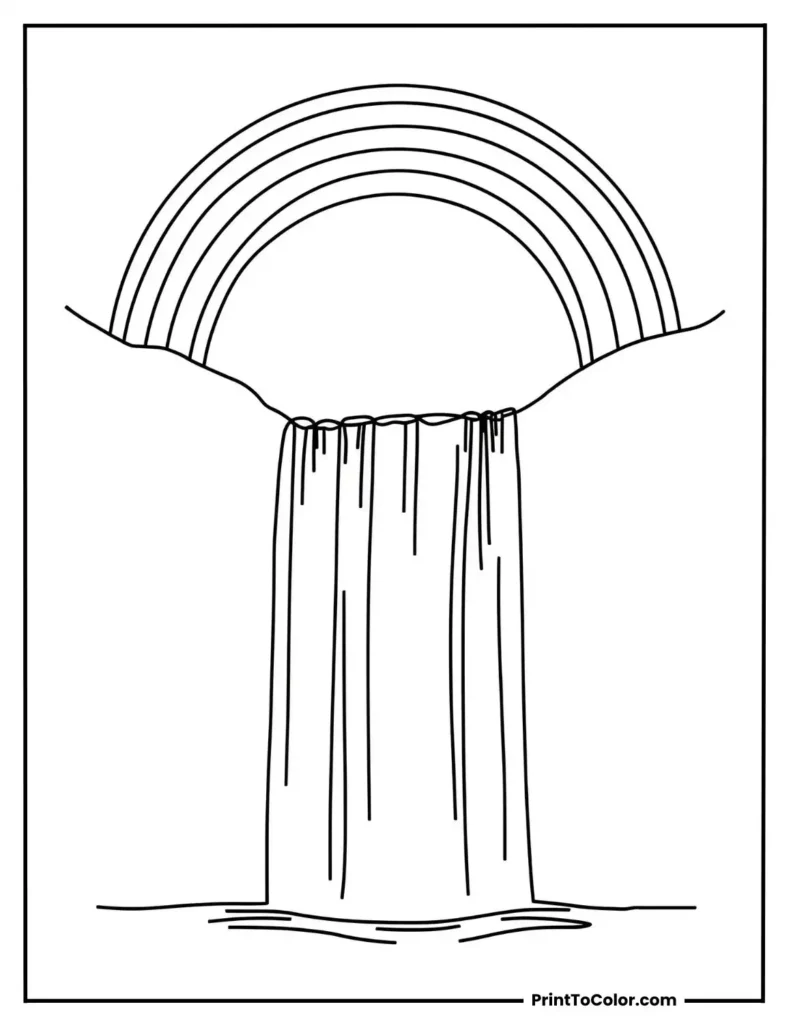
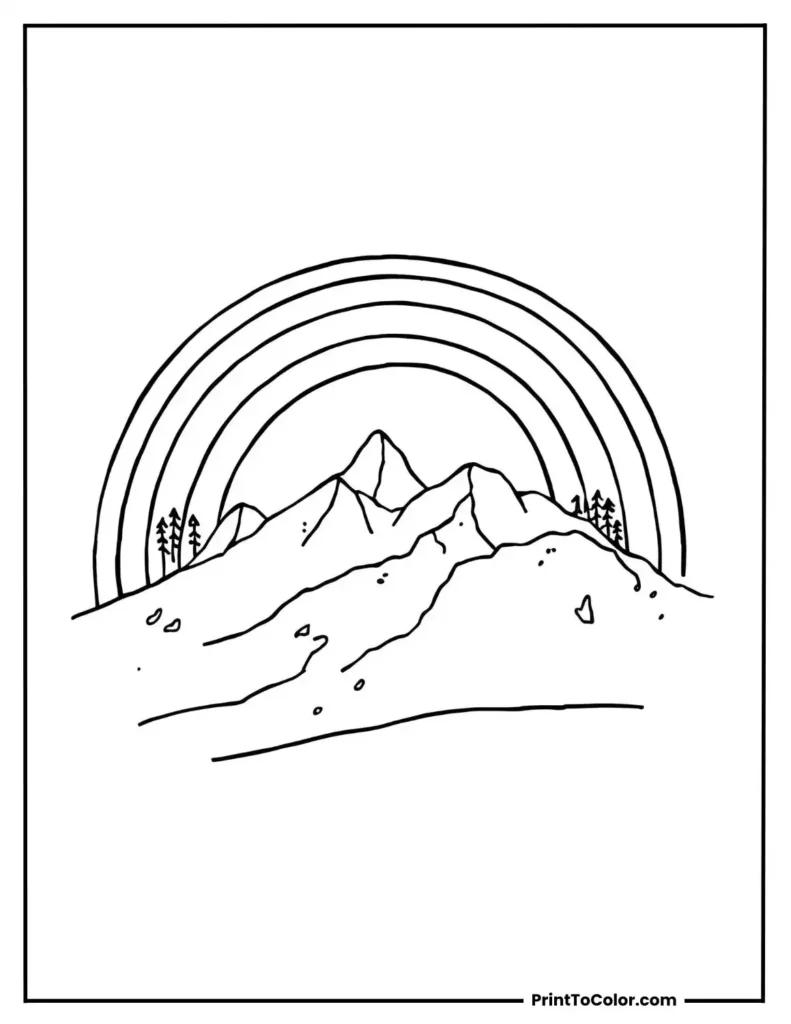
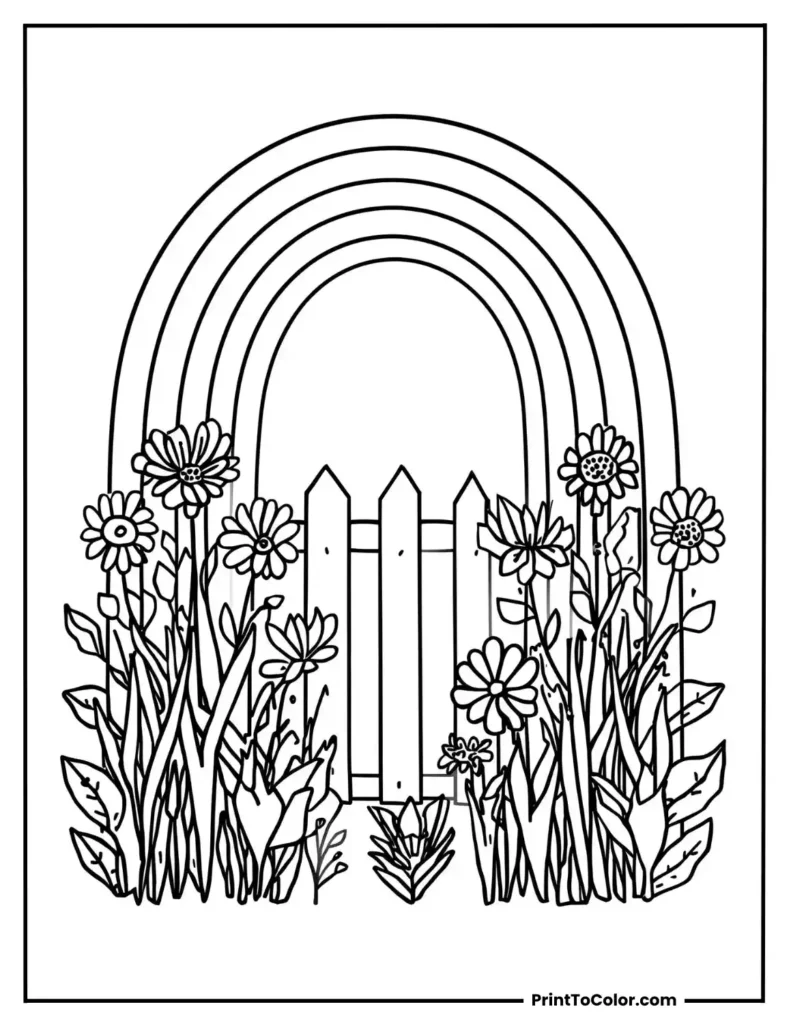
Below are the outlined designs included in our printable PDFs. Each one comes with a short description to inspire coloring ideas.
Color Recognition: Children practice the seven rainbow colors — red, orange, yellow, green, blue, indigo, violet — while exploring shading and blending.
Science Connection: Rainbows introduce light refraction, prisms, weather patterns, and natural symmetry in a fun, visual way.
Mindfulness: Coloring arches and cloud outlines promotes calm focus, making rainbow pages ideal for stress‑free classroom or home activities.
Creativity: Kids can choose realistic hues or invent imaginative designs like rainbow stars, sparkling skies, or golden clouds.
Storytelling: Rainbows link to myths, cultural traditions, and tales of hope, turning each page into a gateway for creative stories.
Educational Value of Coloring Rainbow Sheets
Rainbow coloring sheets aren’t just fun — they’re powerful learning tools that connect science, geography, culture, language, mindfulness, and creativity.
Science Connections: Rainbows introduce light refraction, prisms, wavelengths, and the visible spectrum (ROYGBIV). Kids learn how sunlight and raindrops create arcs of color, linking art activities to physics and meteorology.
Geography Awareness: Rainbows appear in diverse settings — mountain ranges, city skylines, gardens, waterfalls, and coastlines. Coloring these scenes helps children recognize landforms, habitats, and weather patterns across the globe.
Cultural Traditions: Rainbows symbolize hope, renewal, and diversity in myths and folklore. From the Irish legend of leprechauns and pots of gold to the Japanese Shinto belief in rainbows as bridges to the heavens, these pages open doors to cultural storytelling.
Language Growth: Seasonal and scientific words like arch, prism, spectrum, horizon, refraction, and symmetry expand vocabulary. Teachers can use rainbow pages as prompts for spelling, descriptive writing, and storytelling exercises.
Mindfulness: Detailed rainbow mandalas and geometric patterns encourage children to slow down, focus, and relax. Coloring repetitive arches supports concentration, stress relief, and emotional regulation in both classrooms and homes.
Creative Thinking: Kids can invent imaginative rainbows — rainbow stars, rainbow castles, rainbow waterfalls, or rainbow bridges. This freedom builds confidence, artistic expression, and problem‑solving skills while encouraging experimentation with color blending and shading techniques.
Symbolism & Cultural Meaning of Rainbows
Hope & Renewal: Rainbows often appear after storms, symbolizing brighter days and new beginnings. In Christianity, the rainbow is seen as a sign of promise, while in Buddhism it represents the path to enlightenment.
Diversity & Inclusion: The rainbow flag is a global symbol of unity and acceptance, celebrating diversity across communities. Each color carries meaning — red for life, orange for healing, yellow for sunlight, green for nature, blue for harmony, and violet for spirit.
Myth & Magic: Legends across cultures speak of treasure at the end of the rainbow. In Irish folklore, leprechauns guard pots of gold, while Norse mythology describes the rainbow bridge Bifröst connecting Earth to the realm of the gods.
Nature Appreciation: Rainbows connect children to weather and natural beauty. They highlight the science of light refraction, prisms, and the visible spectrum (ROYGBIV) while inspiring awe in landscapes from mountains to coastlines.
Creative Craft Ideas with Rainbow Coloring Pages
Once colored, rainbow pages can be transformed into vibrant crafts that extend learning and creativity:
Rainbow Window Art: Tape designs to windows for a stained‑glass effect that brightens any room.
Greeting Cards: Turn rainbow pages into handmade cards for birthdays, Mother’s Day, or spring holidays.
Rainbow Garland: String cutouts together to decorate classrooms, parties, or seasonal displays.
Story Collages: Combine rainbow scenes with castles, cabins, or waterfalls to inspire storytelling projects.
Seasonal Bookmarks: Trim rainbow strips into bookmarks, laminate them, and add tassels for gifts.
Bulletin Boards: Teachers can use rainbow crafts for “Weather & Seasons” or “Science of Light” displays.
Gift Tags: Add rainbow cutouts to plain wrapping paper or bags for a personal touch.
DIY Snow Globes: Place rainbow cutouts inside jars with glitter and water to create magical keepsakes.
Rainbow Crowns: Attach colored arches to cardstock strips for wearable crowns at school plays or festivals.
Mobiles & Hanging Decor: Suspend rainbow cutouts from strings to create moving art for classrooms or bedrooms.
Fun Facts About Rainbows
Longest Rainbow: The world’s longest‑lasting rainbow appeared in Taipei, Taiwan, in 2017, lasting nearly 9 hours.
Full Circle Phenomenon: Rainbows are actually 360° circles, but from the ground we usually see only half. Pilots sometimes spot full circular rainbows from airplanes.
Double Rainbows: Occur when light reflects twice inside raindrops, creating a second, fainter arc with reversed colors.
Unique Perspectives: No two people see the exact same rainbow — each viewer’s angle to the sun and raindrops changes the spectrum.
Moonbows: Rainbows can appear at night when moonlight refracts through moisture in the air. They’re rare and often look white or faintly colored.
Fogbows & Icebows: Similar arcs can form in fog or ice crystals, producing pale or shimmering rainbows.
Planet Earth Exclusive: Rainbows occur only on Earth because our atmosphere and water droplets make them possible.
FAQs
Rainbows symbolize hope, joy, and renewal across cultures. They also represent diversity and inclusion (rainbow flag), and in folklore, they’re linked to magic and treasure at the rainbow’s end.
The rainbow spectrum includes red, orange, yellow, green, blue, indigo, and violet. These colors appear when sunlight refracts and reflects inside raindrops, splitting white light into its visible wavelengths.
They teach color recognition (ROYGBIV), introduce science concepts like light refraction and weather, and encourage fine motor skills through careful coloring.
Absolutely. Coloring repetitive arches and mandalas promotes focus, relaxation, and stress relief, making them useful for both kids and adults.
No — each person sees a slightly different rainbow depending on their angle to the sun and raindrops. That’s why rainbow coloring pages encourage kids to imagine unique perspectives.
Yes — besides the common rainbow, there are double rainbows, moonbows (night rainbows), fogbows, and icebows. These can be explained in science lessons alongside coloring activities.
Definitely. Adults use rainbow mandalas and detailed designs for art therapy, relaxation, and creative expression.
Summary
Rainbow Coloring Pages are free printable sheets that let children and adults explore the beauty of rainbows while building creativity, mindfulness, and fine motor skills. The collection includes designs such as rainbows with stars, fluffy clouds, waterfalls, cabins, castles, gardens, city skylines, lighthouses, and countryside barns.
Beyond coloring, finished pages can be turned into crafts — greeting cards, garlands, bookmarks, window art, collages, crowns, mobiles, and even DIY snow globes.
Rainbows also carry rich meaning: they symbolize hope, renewal, diversity, and unity, while fun facts reveal their science — rainbows are full circles, can appear as moonbows at night, and no two people see the same rainbow.
In short: Rainbow Coloring Pages combine art, science, culture, and creativity in one engaging resource for kids, parents, and teachers.